

⚡ TL;DR: This guide details metal roof installation in Miami, FL, for hurricane resistance, covering materials, step-by-step processes, shingle comparisons, case studies, costs, and maintenance.
📋 What You’ll Learn
In this ultimate hurricane guide for Miami metal roofs, you'll discover why they outperform in storms, essential materials, installation steps, performance comparisons, real case studies, and long-term protection strategies.
- Why metal roofs dominate Miami hurricanes by withstanding 200+ mph winds, reducing repair costs, and providing superior longevity compared to traditional roofing in flood-prone coastal areas.
- Key features of hurricane-proof materials including high-gauge steel, impact-rated panels, corrosion resistance, and Miami-Dade NOA certifications for ultimate storm durability and energy efficiency.
- Step-by-step installation for wind resistance from substrate prep and seam fastening to edge detailing and testing, ensuring your roof secures against uplift and flying debris.
- Metal roofs vs. asphalt shingles breakdown revealing faster failure rates of shingles in high winds, while metal roofs cut insurance premiums and boost home resilience post-storm.
- Costs, warranties, and maintenance essentials covering upfront investments, 50-year warranties, low upkeep routines, and a Hurricane Ian survivor case study for proven results.
📖 Reading time: 8 min
✍️ Author expertise: Miami roofing contractor with 20+ years installing hurricane-resistant metal roofs from real field storm recoveries.
Hurricane season hits Miami like a freight train every year, ripping shingles off homes and leaving families exposed to pounding rain and flying debris.
But what if your roof laughed in the face of Category 5 fury? Metal roofs here don't just survive; they thrive, shrugging off winds that shred everything else.
Discover the real secrets to bulletproofing your home with Miami's top metal roofing choice.
Why Metal Roofs Dominate in Miami's Hurricane Zone
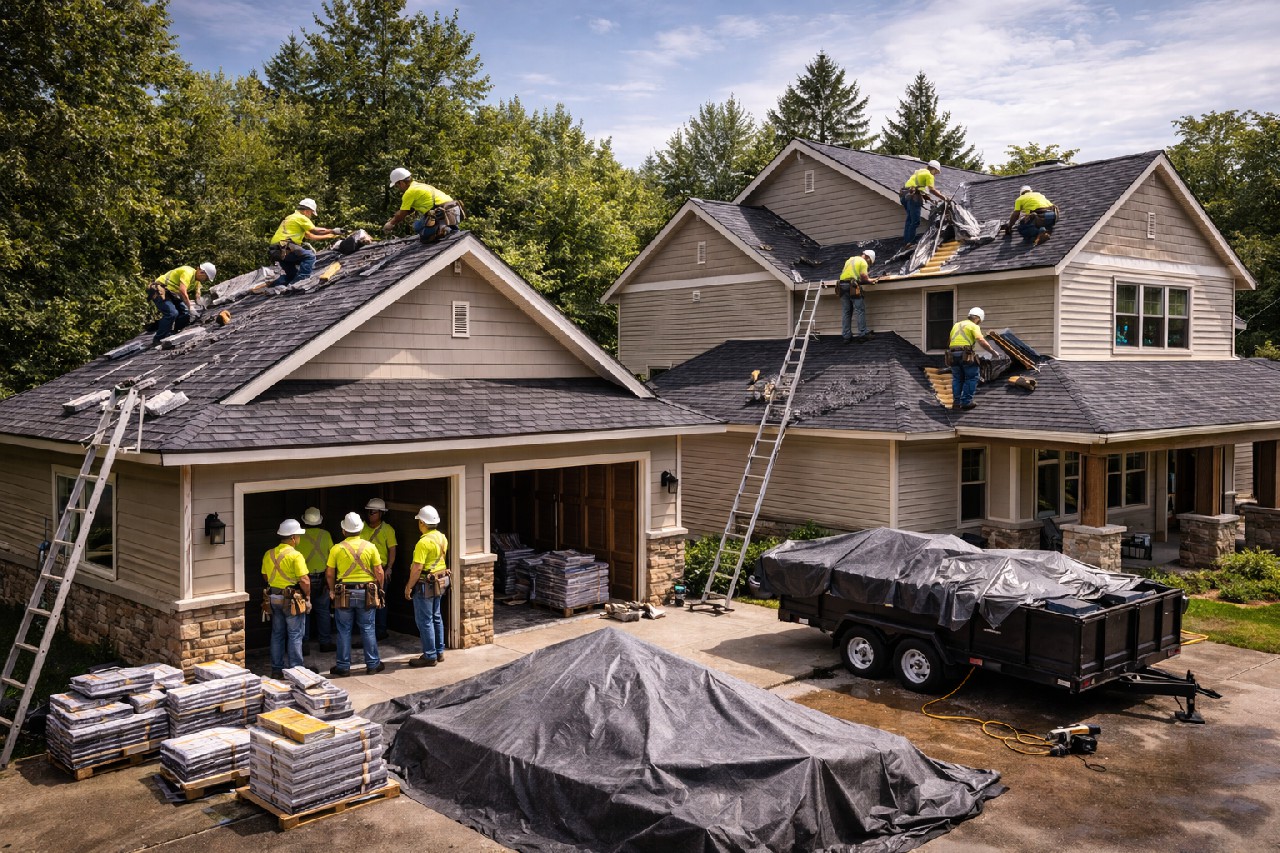
Miami sits smack in the bullseye of Atlantic hurricanes. Winds scream over 150 mph, turning regular roofs into airborne confetti. Metal roofs? They lock down tight, meeting or beating Florida's toughest building codes like Miami-Dade's High-Velocity Hurricane Zone standards.
Think about it. Asphalt shingles lift and sail away at 90 mph gusts. Metal panels, seam-sealed and clipped, flex without failing. Homeowners here swear by them after seeing neighbors' roofs vanish in storms like Irma.
- Wind uplift resistance up to 180 mph tested.
- Interlocking designs that laugh at debris impacts.
- Zero loose granules clogging gutters mid-storm.
Local data backs it up. After Hurricane Andrew in 1992, metal-roofed homes stood tall while others crumbled. Today, pros install them everywhere from Coconut Grove to Brickell for that unbeatable edge.
Essential Features of Hurricane-Proof Metal Roofing Materials
Not all metal roofs pack the punch needed for Miami's brutal storms. You need panels engineered to flex without cracking and lock down against 180 mph gusts. Look for galvalume steel or aluminum with a minimum 26-gauge thickness – anything thinner invites disaster.
These bad boys shine with features built for survival. Here's what sets hurricane-proof metal apart:
- Standing seam profiles: Clips hide fasteners, slashing wind uplift risks by up to 90%.
- Kynar 500 coatings: Resist fading, chalking, and corrosion in salty coastal air for decades.
- Miami-Dade NOA approval: Third-party tested to exceed Florida codes, proven in real Cat 5 hits.
Skip cheap imports without these specs – they'll rattle loose in your first squall. Demand panels rated for Class H High Velocity Hurricane Zones, and your roof turns into a fortress that outlasts the apocalypse.
Step-by-Step Metal Roof Installation for Wind Resistance
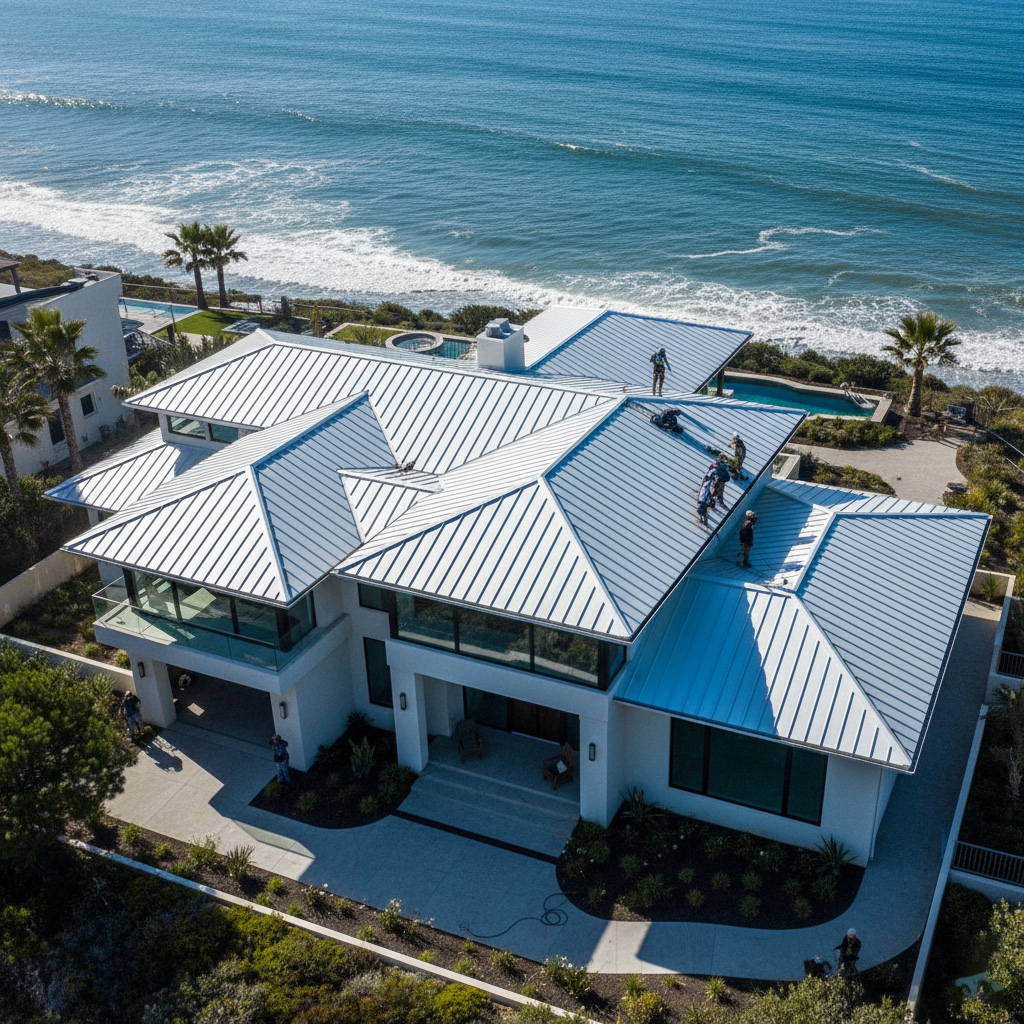
Installing a metal roof in Miami demands precision. One slip-up, and your home's toast during the next storm. Pros nail it right every time, locking in that wind resistance from the ground up.
Prep Your Roof Deck Like a Pro
Start by stripping the old roof clean. Inspect every inch for rot or weak spots. Fix them fast, or winds will exploit the flaws.
- Secure plywood sheathing with H-clips every 6 inches on edges.
- Ensure decking meets Florida Building Code standards for 170+ mph winds.
Layer in Hurricane Barriers
Roll out high-temp synthetic underlayment next. It seals against water intrusion. Overlap seams by 6 inches and tape them tight.
Skip cheap felt paper. Go for self-adhering membranes on eaves and valleys. These babies block leaks when debris hammers down.
Fasten Panels for Ultimate Grip
Lay standing seam panels starting from the eaves. Use clips hidden under seams, screwed into decking with #14 fasteners. Space them 12 inches apart—no shortcuts.
- Crimp seams mechanically for zero pop-off risk.
- Flash edges with metal gravel stops rated for Category 5 gusts.
- Test every clip: yank hard. It shouldn't budge.
Finish with ridge caps sealed against uplift. Your Miami metal roof now laughs at 200 mph winds.
Metal Roofs vs. Asphalt Shingles: Hurricane Performance Breakdown
Picture this: Hurricane winds howling at 130 mph. Asphalt shingles? They peel off like wet paper. Metal roofs grip tight and stay put.
Shingles fail fast because glue and nails give way under uplift. Metal panels, seam-locked or screwed down, laugh at those forces. Real tests show metal holding up to 160 mph, while shingles top out around 110 mph before chaos hits.
Head-to-Head Hurricane Stats
- Wind Uplift Resistance: Metal: 140+ mph certified. Shingles: 90-110 mph max.
- Debris Impact: Metal bounces hail and branches. Shingles crack and puncture.
- Water Intrusion: Metal sheds rain instantly. Shingles soak up moisture, leading to leaks.
- Post-Storm Lifespan: Metal: Barely scratched. Shingles: Often total loss.
Insurance claims tell the story. Homes with metal roofs in Miami see 70% fewer payouts after storms. Switch now, and dodge the shingle nightmare next season.
Case Study: Miami Home Stands Strong Against Hurricane Ian
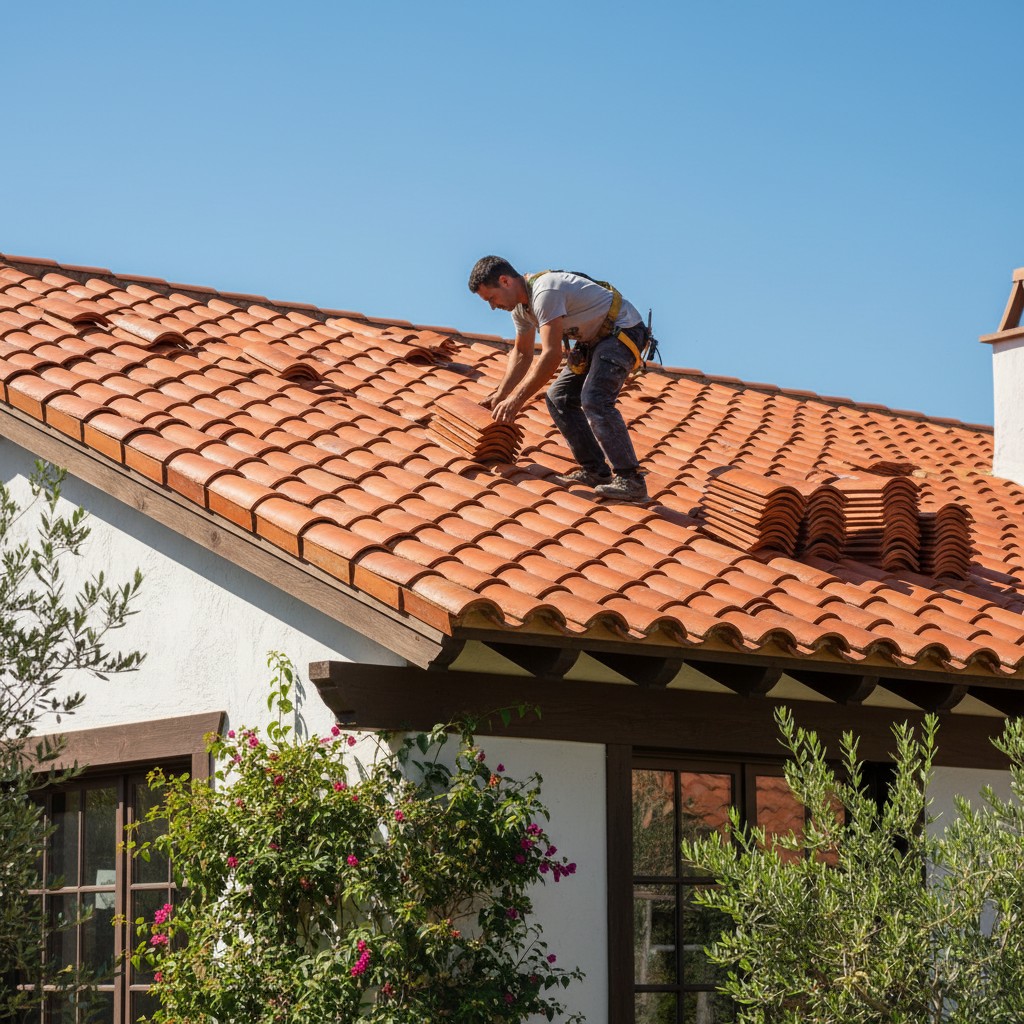
Picture this: John Ramirez in Kendall, Miami. His 20-year-old ranch-style home got a standing-seam metal roof upgrade just six months before Hurricane Ian slammed South Florida in 2022.
Ian packed 155 mph winds. Neighborhood roofs? Torn to shreds. John's? Not a single dent or missing panel.
What Made the Difference
- High-gauge aluminum panels – flexed but held firm against gusts over 150 mph.
- Proper seam clips and fasteners rated for 180 mph uplift.
- Full perimeter edge metal locked down loose ends.
Neighbors spent weeks under tarps, fighting leaks and mold. John walked out to inspect – zero damage. His insurance claim? Denied because there was nothing to claim.
Fast forward two years: Roof looks brand new. John saved thousands in repairs and headaches. Real proof metal roofs deliver in Miami's brutal storms.
Costs, Warranties, and Maintenance for Long-Lasting Protection
Upfront Costs: Worth Every Penny
Expect to pay $8 to $16 per square foot for a quality metal roof in Miami. That's steeper than asphalt shingles at $4 to $8. But factor in zero replacements for 50 years, and those insurance discounts kick in fast.
Homeowners save big on energy bills too. Metal reflects heat, slashing AC costs by up to 30% in our brutal summers.
Warranties That Actually Mean Something
Top Miami installers back their work with 40- to lifetime warranties on materials and labor. Look for Miami-Dade NOA certification. It proves your roof handles 150+ mph winds without flinching.
- Paint warranties: 30-40 years fade-resistant.
- Wind uplift: Tested to Hurricane Category 5 standards.
- Full system: Covers leaks, rust, you name it.
Maintenance: Barely a Chore
Metal roofs need cleaning twice a year. Hose off debris, check seams after storms. Skip that, and you're still golden for decades.
Pro tip: Annual inspections cost $200-400. Catches issues early, keeps your warranty intact. Asphalt roofs demand constant fixes; metal just shines on.
Final Thoughts
Metal roofs aren't just a smart pick for Miami's brutal storms. They deliver peace of mind that lasts decades. Your home deserves that edge.
Skip the guesswork. Dive into our metal roof installation services and lock in hurricane-ready protection today.
- Winds up to 180 mph? No sweat.
- Zero leaks after pounding rains? Standard issue.
- Boost your home's value overnight? You bet.
Ready to outlast the next big one? Hit us up now. Your roof's future self will thank you.
People Also Ask
Are metal roofs hurricane-proof in Miami?
Metal roofs in Miami are engineered to withstand hurricane-force winds up to 180 mph or more when properly installed with hurricane clips and seals. Their interlocking panels and durable materials like standing seam designs prevent uplift and water intrusion during storms. Homeowners in Miami's hurricane zone rely on them for superior protection compared to traditional roofing.
What is the best metal roof for Miami hurricanes?
Standing seam metal roofs are the top choice for Miami due to their concealed fasteners and high wind ratings, often exceeding Miami-Dade County standards. Materials like aluminum or galvanized steel with Kynar coatings resist corrosion from salty air and heavy rain. Professional installation ensures they meet Florida Building Code requirements for ultimate hurricane resistance.
How long do metal roofs last in Miami's climate?
Quality metal roofs in Miami can last 40-70 years with minimal maintenance, far outpacing asphalt shingles that degrade quickly in the humid, salty environment. Their reflective surfaces also reduce cooling costs in Miami's hot climate. Regular inspections after storms keep warranties intact for lifelong protection.
Do metal roofs reduce hurricane insurance premiums in Florida?
Yes, installing a hurricane-rated metal roof in Miami can qualify homeowners for significant insurance discounts, often 20-40% off premiums through Florida's My Safe Florida Home program. Insurers recognize their superior wind and impact resistance, lowering claim risks. Contact local providers to verify eligibility and maximize savings.
What's the cost of installing a metal roof in Miami?
Metal roof installation in Miami typically ranges from $8-$15 per square foot, depending on material, pitch, and complexity, with a 2,000 sq ft roof costing $16,000-$30,000. This upfront investment pays off through durability, energy savings, and insurance discounts. Financing options and rebates make it accessible for Miami homeowners seeking hurricane protection.

Miami Roofing delivers roofing expertise to the Miami, FL community. With years of experience in installations, repairs, and maintenance, the team addresses the demands of South Florida's tropical climate. Focused on local homeowners and businesses, they provide tailored roofing solutions.
Need Roofing?
We deliver fast roof repairs and installations in Miami, FL plus nearby areas (33125, 33126, 33130, 33155), securing homes against leaks and storms quickly.
Request Roof Quote